Empty Schools, Old Banks, and $0 Rent: Inside America's Small-Town Residency Boom
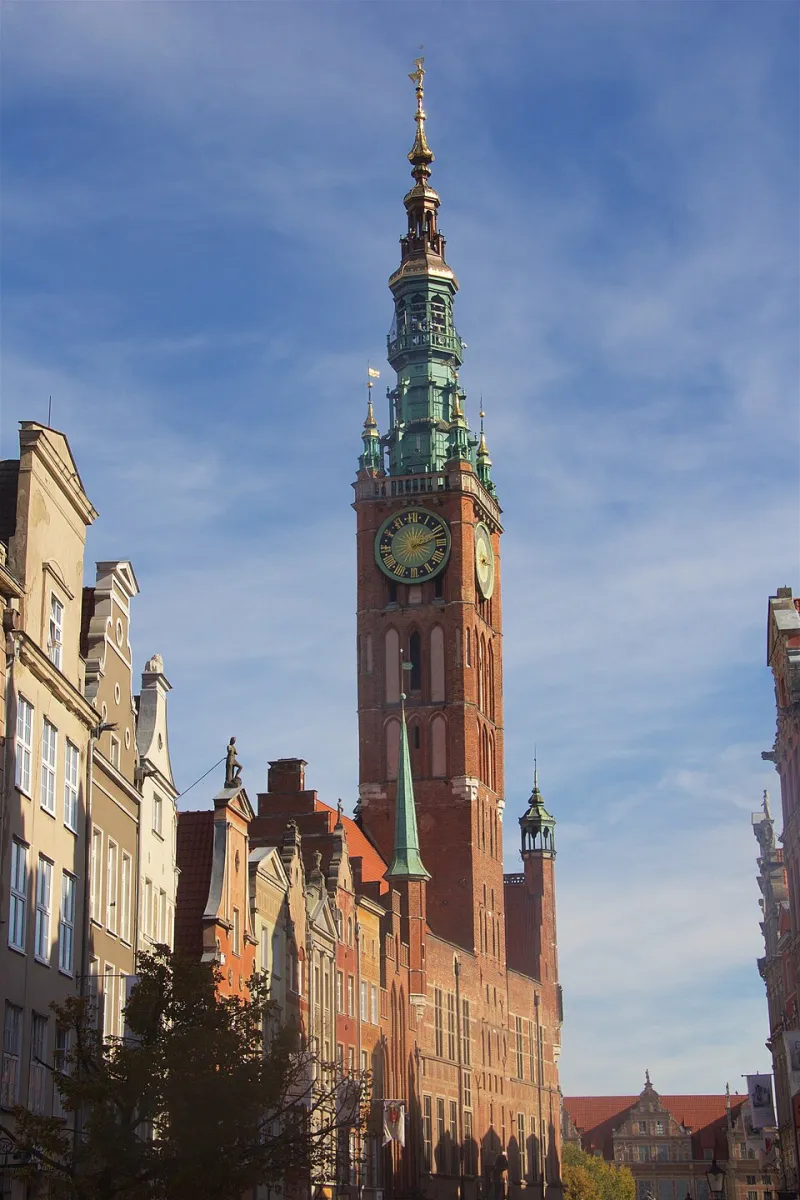
Photo: Photograph by Mike Peel (www.mikepeel.net)., CC BY-SA 4.0, via Wikimedia Commons
The building at the corner of Main Street has been empty for eleven years. It was a bank once, then a loan office, then nothing. The town — population somewhere south of 2,000, somewhere in the middle of the country — had watched a generation of young people leave and assumed the building would follow the same trajectory: decay, demolition, a parking lot.
Instead, next month, an oil painter from Texas moves in. Rent: zero. In exchange, she'll teach a monthly workshop at the library and keep her studio door open to whoever wanders in on a Saturday.
She's not an anomaly. She's part of a quiet, nationwide experiment.
The Math Nobody Can Argue With
Here's the problem: rural America is full of empty commercial buildings, and urban America is full of artists who can't afford studios. In a city, 400 square feet of workspace might run $1,200 a month. In a town with a vacant schoolhouse and a shrinking tax base, that same square footage might cost the price of keeping the heat on.
Enter the small-town residency. The model varies, but the skeleton is consistent: a municipality, nonprofit, or sometimes just a determined volunteer acquires or borrows a derelict building, raises a modest amount of money — often through state arts council grants, main street programs, or crowdfunding — and offers it to artists at drastically reduced cost. Sometimes free. Sometimes with a small stipend. In exchange, artists bring foot traffic, teach workshops, paint murals, and generally make the town a more interesting place to be.
It's economic development dressed as art support. Or maybe art support dressed as economic development. Either way, both sides usually get what they came for.
What's Actually Out There
The variety is wider than most artists realize:
- Converted schools. shuttered school buildings — and there are thousands across the Midwest and Great Plains — have become multi-artist compounds in several states, with classrooms turned into private studios and gymnasiums hosting exhibitions.
- Main street storefronts. Some towns offer free rent in vacant retail space through "pop-up" or "artist on Main Street" programs, betting that an active window display beats a boarded-up one.
- Seasonal residencies. A growing number of farm towns run two- to four-week residencies with housing included, betting that a few engaged artists a year is cheaper than any ad campaign they could buy.
- Bank buildings and lodges. Old banks, with their vaults and marble, make surprisingly dramatic gallery space — and several have been reborn as exactly that.
The details live on state arts council websites, the Alliance of Artists Communities' residency directory, and — honestly — in Facebook groups where alumni of these programs trade intel. A surprising number never get formally advertised; they get filled by word of mouth.
How to Actually Get One
The application bar at small-town residencies is often lower than at the famous coastal programs — which is exactly the opportunity. A few practical notes:
Lead with community, not just portfolio. These programs exist because a town wants engagement. A one-paragraph plan to teach a kids' workshop or paint a public piece can matter as much as your CV.
Ask about the real costs. "Free rent" sometimes means you cover utilities, transportation, or materials for community projects. Ask specifically. A good program will answer plainly.
Check the workspace. Photos lie. Ask about ventilation if you work in oils or solvents, ceiling height for large canvases, and whether you can leave work in progress between sessions.
Look at who came before. Ask for contact info for a past resident. One honest conversation beats three pages of brochure.
The Underrated Career Move?
Here's the part that surprises people: for many early-career artists, a small-town residency is a better career move than a prestigious urban one. You get time — the scarcest resource — plus space, plus a community that will genuinely show up to your opening because there's genuinely nothing else happening on a Friday night.
No, you won't bump into a curator at the gas station. But you might come home with forty finished pieces, a teaching gig, a mural commission, and a story that makes your work more interesting.
The empty bank on Main Street doesn't care about your follower count. It just needs somebody to turn the lights on.