Stop Wasting Money on Art Supplies: What's Actually in a Working Artist's Studio
Stop Wasting Money on Art Supplies: What's Actually in a Working Artist's Studio
Walk into any art supply store and you'll feel it immediately — that pull. The gleaming tubes of paint, the perfectly organized brush walls, the gadgets that promise to make everything easier, cleaner, more professional. It's genuinely exciting. It's also, if you're not careful, a very efficient way to spend $300 on stuff you'll never use.
Working artists — the ones with paint-stained floors and deadlines and actual studio practice — tend to have a very different relationship with supplies. Their spaces are often leaner than you'd expect, and the tools they swear by might surprise you. We dug into the real habits of painters, illustrators, sculptors, and digital artists across the US to give you the honest picture.
The "More Tools = Better Art" Myth
Let's name the thing nobody in the supply industry wants to say out loud: buying more stuff doesn't make you a better artist. It makes you a better shopper.
The marketing around art supplies is sophisticated and relentless. Limited-edition palettes, "professional grade" everything, influencer-endorsed brush sets that cost more than your rent. For beginners especially, there's a subtle message baked into all of it — that the right product is standing between you and the work you want to make.
It isn't. The gap between where you are and where you want to be is almost never a supply problem.
That said, quality does matter in specific, targeted ways. The trick is knowing where it counts and where it genuinely doesn't.
What Painters Actually Keep on Their Palettes
Ask a working oil painter how many colors they use regularly, and the answer is usually somewhere between six and twelve. Not the forty-eight-pan set. Six to twelve.
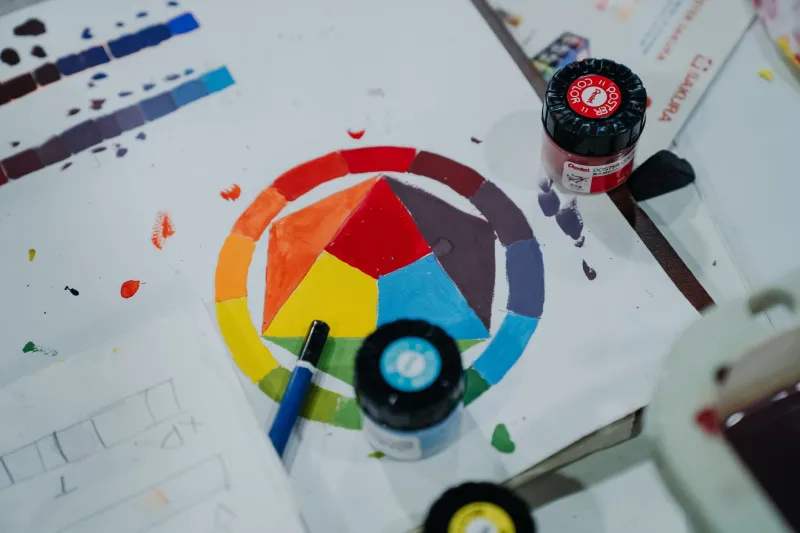
Most experienced painters build around a limited palette — a warm and cool version of each primary, plus a reliable white and maybe a few signature additions. This isn't a budget compromise; it's intentional. A limited palette forces you to mix, and mixing teaches you color in a way that having every hue pre-squeezed out never will.
Where quality does matter for painters: your white and your primaries. Cheap titanium white can be gummy and slow to dry in unpredictable ways. Student-grade cadmiums and umbers often lack the pigment density that makes color mixing feel intuitive. Spend here.
Where you can save: specialty brushes, palette knives beyond your two or three go-tos, and absolutely those brush-cleaning gadgets with seventeen moving parts. A glass jar and some solvent does the same job.
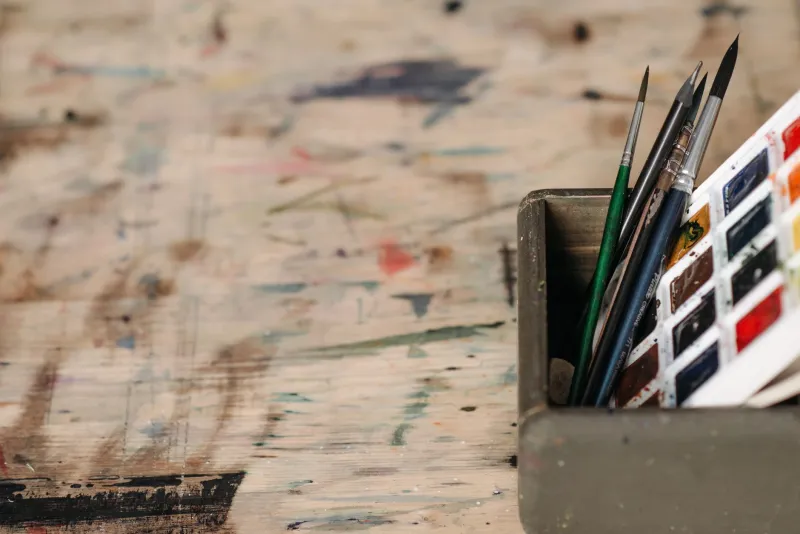
For watercolorists, the story is similar. Professional-grade paints from brands like Daniel Smith or Winsor & Newton rewet more smoothly and granulate more beautifully — and that matters. But expensive watercolor paper matters even more. Many professionals will tell you they'd rather use mid-range paint on Arches cold press than the fanciest pigments on cheap paper. The surface is doing half the work.
Illustrators and the Pencil Problem
Illustrators — especially those working in editorial, children's publishing, or commercial spaces — often have the most stripped-down supply lists of any discipline. Many work primarily digitally, and the ones who don't tend to work in ink, pencil, or gouache with a focus on consistency over variety.
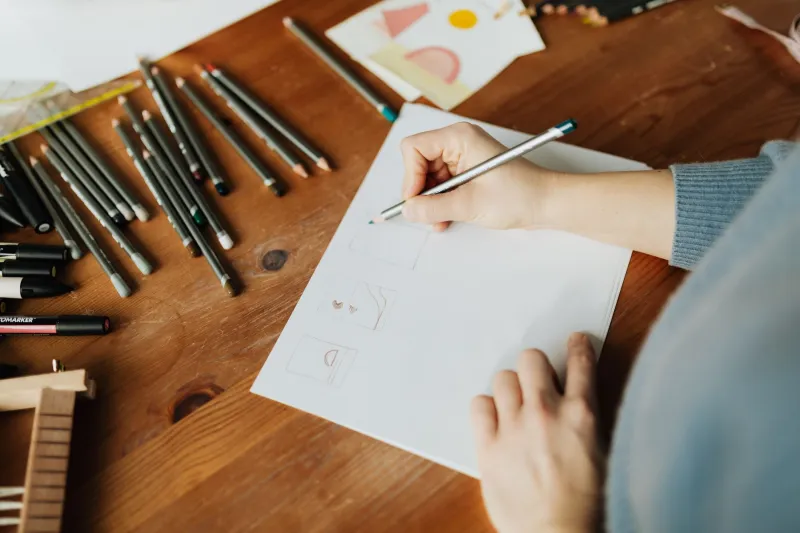
The pencil aisle is a great example of where marketing noise gets loud. You don't need seventeen grades of pencil. Most illustrators working in graphite keep a 2H for light underdrawing, an HB for general work, and a 4B or 6B for rich darks. That's it. Brand matters less than you think — Staedtler and Faber-Castell make excellent pencils at accessible prices.
For those working in ink: a quality dip pen or a reliable brush pen, one or two sizes of Micron or Copic liner, and a bottle of India ink will carry you through almost anything. The thirty-two-piece "professional illustration starter kit" is mostly redundant.
Digital illustrators often cite their biggest mistake as buying the most expensive tablet before they understood what they actually needed. A mid-range Wacom or an iPad with Apple Pencil is more than enough for most workflows. The software matters more than the hardware, and learning one program deeply beats dabbling in five.
Sculptors: Where Cheap Materials Fail You
Sculpture is the discipline where cutting corners most often bites you. Material integrity is structural — literally. Weak armature wire collapses. Low-quality clay cracks unpredictably during drying. Cheap casting materials produce porous, fragile results.
Working sculptors tend to invest in their core structural materials and scrimp everywhere else. A solid aluminum armature wire, quality polymer or oil-based clay for modeling work, and proper mold-making silicone are worth the spend. The fancy sculpting tools? A wooden skewer and a loop tool you've used for years will outperform a $200 set of tools you haven't learned yet.
For ceramicists, kiln access often matters more than the clay body you choose. Community studios and university continuing-ed programs frequently offer kiln access at reasonable rates — a far smarter investment for someone starting out than purchasing a kiln of their own.
The Digital Studio: Where Artists Overspend Differently
Digital artists face a different version of the same problem: subscription bloat and plugin hoarding. It's easy to spend $50 a month on brushes, textures, and add-ons that you open once and forget.
Professional digital artists are often remarkably minimal in their actual toolkit. Many work with a small, curated set of custom brushes they've refined over years. They know their software's native tools deeply rather than relying on third-party solutions for everything.
If you're working in Procreate, Photoshop, or Clip Studio Paint, the built-in brushes are genuinely excellent. Start there. Buy additional brush packs only when you've identified a specific gap that the defaults can't fill.
A Practical Framework for Smarter Buying
Before any purchase, ask yourself three things:
Will I use this at least once a week? If the answer is no, it's probably aspirational buying — purchasing the idea of a practice rather than supporting one you already have.
Does this solve a specific problem I've actually encountered? If you can't name the exact frustration this tool addresses, you probably don't need it yet.
Am I buying this because I've outgrown what I have? Growing into better tools is legitimate. Skipping the learning curve by buying up isn't.
The artists with the most intentional studios aren't the ones who buy everything — they're the ones who know exactly what they need and why. That clarity is itself a skill worth developing, and it starts with being honest about the difference between what inspires you on a shelf and what actually serves you at the work table.
Your next great piece isn't waiting inside a shopping cart. It's waiting in the studio time you protect.